
Leading Solutions For Foundation Repair And Structural Reinforcement
Get insights into effective products that address foundation settlement, cracks, and other structural concerns efficiently.
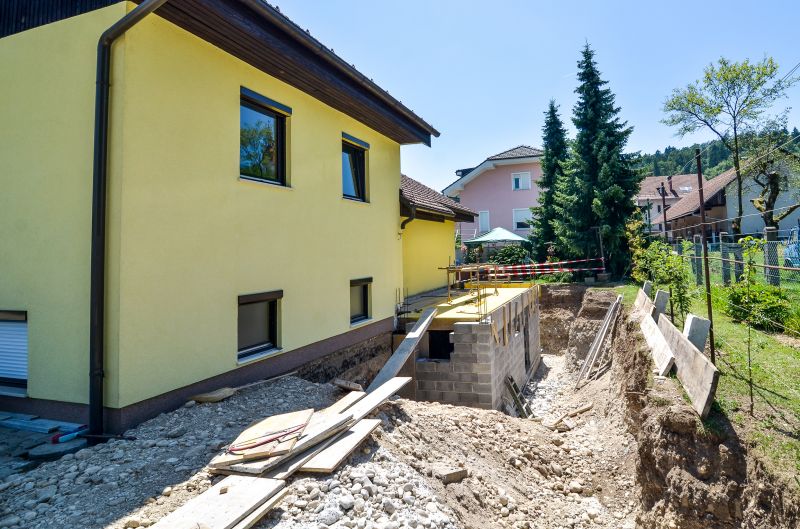 Foundation repairs are a critical aspect of maintaining the structural integrity of a building, especially in areas prone to soil movement or moisture fluctuations. Various products are designed to address different types of foundation issues, from minor cracks to significant shifts. Selecting the right repair products involves understanding the specific needs of your foundation, the extent of the damage, and the environmental conditions of your location. In Danville, IN, where soil conditions and weather patterns can influence foundation stability, choosing appropriate repair solutions is essential for long-term safety and stability.
Top Overall Option
Hydraulic Foundation Jack System
A hydraulic foundation jack system provides controlled lifting and stabilization for sunken or uneven foundations. Its versatility allows for precise adjustments, making it suitable for various repair scenarios. When used correctly, it can help restore a foundation's levelness and support structural integrity over time.
Types of Products For Foundation Repairs
Hydraulic Lifting Jacks
Used to lift and level foundations with controlled force, suitable for uneven or sinking sections.
Epoxy Crack Sealants
Designed to fill and seal cracks in concrete foundations, preventing water intrusion and further deterioration.
Polyurethane Foam Injectors
Expandable foam used to fill voids and stabilize soil beneath the foundation.
Underpinning Piers
Support systems installed beneath the foundation to transfer load to stable soil or bedrock.
Soil Stabilization Products
Materials that reinforce and compact soil to prevent future shifting or settling.
Concrete Patching Compounds
Used to repair surface cracks and surface-level damage in foundations.
Waterproofing Membranes
Applied to exterior or interior surfaces to prevent water penetration and protect the foundation.
Drainage Systems
Drainage solutions such as French drains help divert water away from the foundation.
Steel Push Piers
Support systems driven into stable soil to lift and stabilize sinking foundations.
Helical Piers
Deep foundation support piers suitable for challenging soil conditions.
Mudjacking Equipment
A method for lifting sunken concrete slabs using a slurry mixture injected beneath the surface.
Vapor Barriers
Materials installed to control moisture vapor from seeping into the foundation area.
Grouting Materials
Used to fill voids and strengthen soil or concrete structures.
Anchor Bolts
Reinforce foundation walls and prevent movement caused by lateral forces.
Repair Mortars
Specialized mortars for patching and reinforcing damaged concrete surfaces.
Popular Choices
Widely used for foundation leveling and stabilization projects, appreciated for their control and strength.
Commonly chosen for sealing cracks and preventing water leaks in foundations.
Popular for filling voids and stabilizing soil beneath foundations.
Frequently used to underpin and support settling foundations, available in various types like push and helical piers.
Essential for preventing water infiltration, a common choice in foundation waterproofing.
French drains and similar systems are often installed to improve water management around foundations.
A popular method for raising sunken slabs with minimal excavation.
Preferred for their strength and ability to lift and stabilize deep-set foundations.
Chosen for challenging soil conditions requiring deep support.
Commonly installed to control moisture levels and protect foundation walls.
Frequently used for surface repairs and reinforcement of damaged concrete.
Foundation repair products often include a range of materials and tools aimed at stabilizing, lifting, or sealing foundations. These can be used for interior or exterior repairs, depending on the problem. For example, hydraulic jacks are commonly employed to lift sunken sections, while epoxy injections help seal cracks and prevent water intrusion. Soil stabilization products can also be used to reinforce the ground beneath the foundation, reducing future movement. Proper application and selection of these products can help mitigate further damage and extend the lifespan of the structure.
When considering foundation repair products, it is important to evaluate the severity of the issue, the type of foundation, and the underlying soil conditions. Professional assessment is often recommended to determine the most appropriate solutions. Additionally, understanding product compatibility, ease of use, and durability can influence the effectiveness of repairs. Proper maintenance and timely intervention with suitable products can contribute significantly to preserving the safety and value of a property in Danville, IN.
Key Buying Considerations
- Assess the severity and type of foundation issue before selecting products.
- Understand the soil conditions and how they influence foundation stability.
- Choose products compatible with your specific foundation type, whether concrete, pier, or slab.
- Consider ease of application and whether professional installation is recommended.
- Evaluate the durability and weather resistance of the repair materials.
- Check for products that provide a comprehensive solution for your needs, such as combined sealing and support options.
- Review product specifications for weight capacity and load support.
- Consider the long-term maintenance requirements of the repair products.
- Ensure that the products meet local building codes and standards.
- Look for products with clear instructions and support resources for proper installation.
- Determine whether the repair method is minimally invasive or requires significant excavation.
- Evaluate the availability of replacement parts or supplementary materials.
- Compare warranties or guarantees offered by manufacturers or suppliers.
- Think about the environmental conditions, including moisture levels and temperature fluctuations.
- Consult with a foundation repair specialist if uncertain about the best product choices.